Falling for the Cup
A personal essay on falling for the cup
We All Start Somewhere
For a long time, the best coffee I knew was a grande latte from Lavazza, with cherry or hazelnut syrup. Or the same thing from McDonald's. That was the whole spectrum. And I genuinely thought I'd cracked the code — as I'd personally invented the perfect drink. It wasn't some 3-in-1 instant sachet, after all. It was Lavazza. It was McDonald's. As far as I was concerned, that was the absolute peak of the coffee industry. Nothing above it. Why would there be?
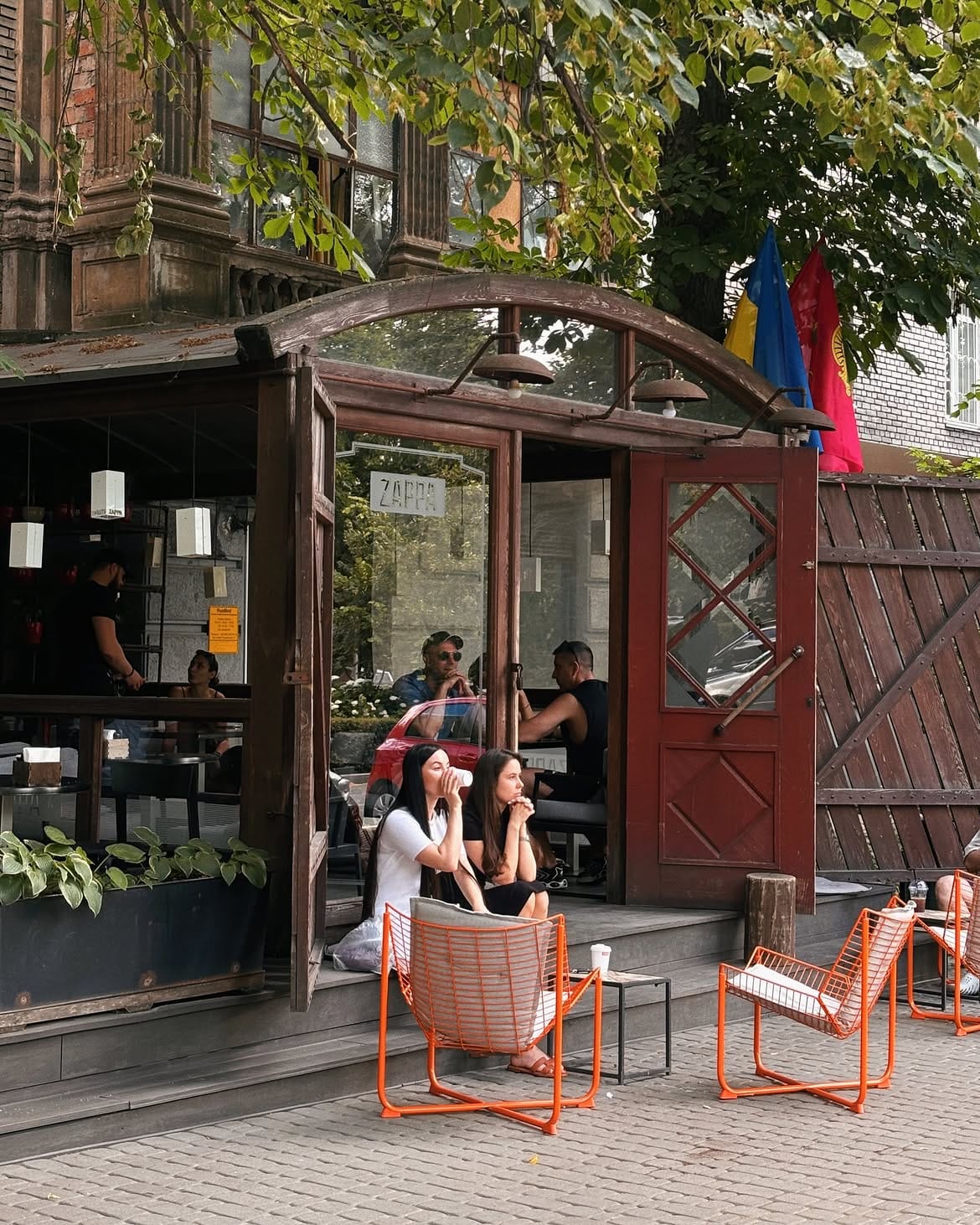
Then came the cappuccino at Zappa, a café in Zaporizhzhia where I used to go with my friend Sasha. I remember being thrown off by it. The coffee flavor was so much deeper than what I was used to, and the foam had this slight sourness to it — not unpleasant, just unfamiliar. The whole drink felt more intense, more there, somehow. I didn't have language for it yet. I just knew it tasted like more coffee than coffee was supposed to taste like.
That was the first crack.
The Beauty of Difference
I think people start noticing differences between coffees the same way they start noticing differences between wines, or albums, or dishes from the same cuisine made by different hands. One bean is smooth and clean. Another is rougher, more complex, harder to pin down. And the more different coffees you try, the more interesting it gets to compare them — to remember what you tasted last time, to go looking for flavors you haven't met yet. There's something genuinely fun about training your own sensitivity, about trying to solve the small, pretty riddle that a good cup sets in front of you every single time.
Because no two cups are quite the same — even the same coffee, brewed the same way, twice in a row.
There's variety, there's a kind of aliveness to it. Different combinations of aroma and flavor, different balances. It pulls you further in. Further into what is called a flavour town.
The genuinely interesting flavor combinations — the floral notes, the herbal ones — don't show up that often, though. Coffee plants are picky. The purity and quality of what ends up in your cup depends heavily on where the plant grew and what the farm conditions were like. Something delicate like Geisha, or Wush Wush, or Pink Bourbon needs far more space, far more attention, far more — there's no better word for it — love to grow well. And that costs something. It costs money, obviously, but it costs effort first.
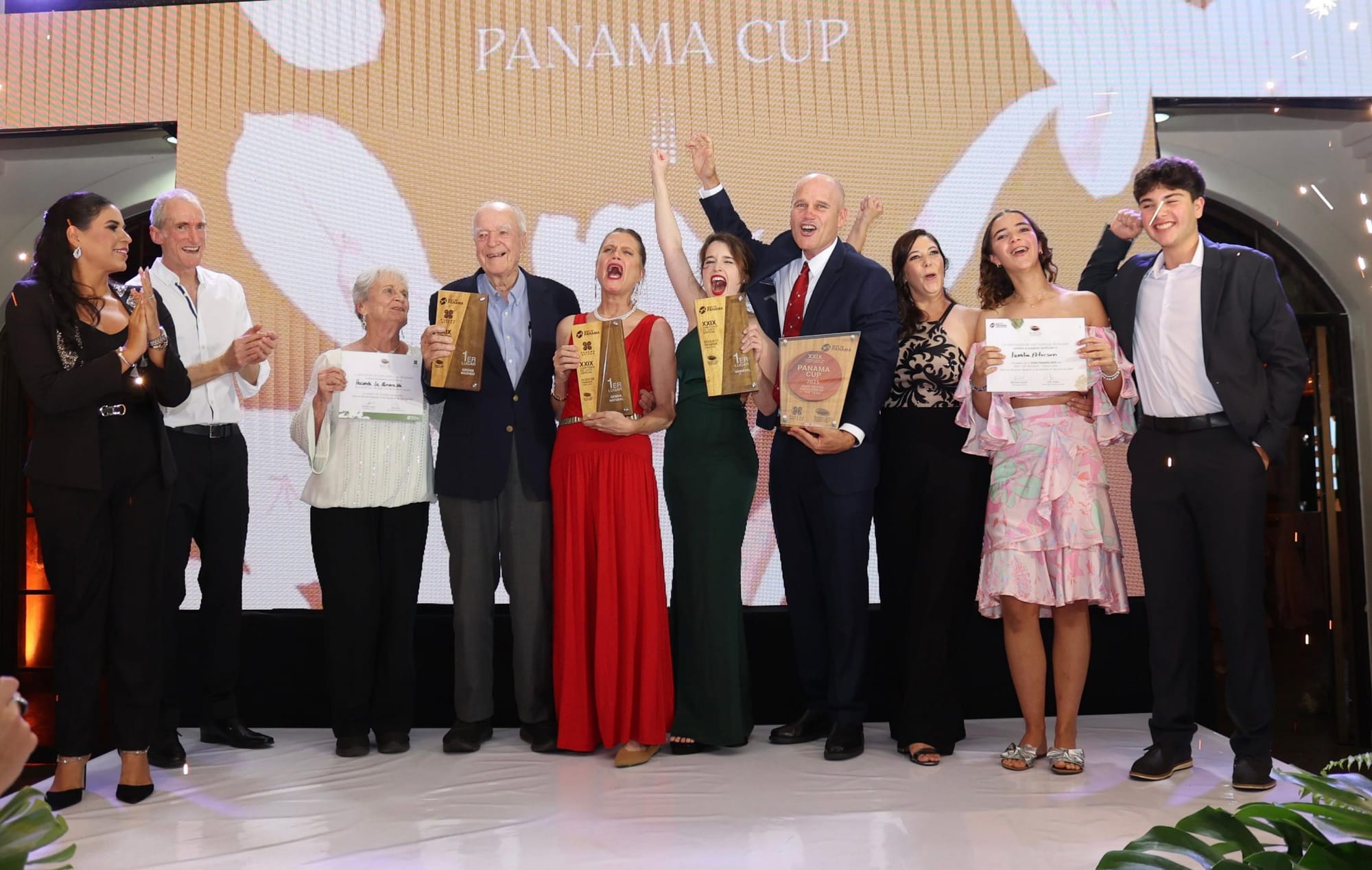
The market reacts to that, sometimes in ways that feel almost unreal. In August 2025, Hacienda La Esmeralda in Panama broke world records at the Best of Panama auction — a lot of their Geisha sold for $30,204 per kilogram. The full 20-kilogram lot went for over $600,000. It's a little insane. But if someone's willing to pay that, well — demand creates supply, like it always does. And honestly, I don't think that's the ceiling. I think it might just be the beginning.
The World Behind the Cup
What I personally love is how much you end up learning about the world through coffee. It's hard to overstate how much my own understanding of geography, genetics, and small agricultural details has expanded just from following this one product. I genuinely enjoy reading about coffee varieties, growing methods, processing styles, the specific quirks of a landscape, the cultural and geographic differences between regions that all somehow end up expressed in a cup. And then, of course, there's the taste itself — always different, always a small surprise. Sometimes subtle and quiet, sometimes loud and obvious, sometimes complex and hard to describe. Always a tiny mystery. What will this lot taste like this time? How will this one variable change it? How will it open up with this brewing device versus that one? Always new. Always shifting under you slightly.
Learning to Listen
There's a thing I've noticed, too — the way taste evolves among people who love and study coffee deeply mirrors what happens in music. New movements, new ways of treating the same instruments. Roasting used to lean darker, heavier. Now it leans lighter, softer, more often than not. You don't have to crank the bass on everything. Sometimes you can just sit with cool jazz and enjoy it more than you ever expected to. The melody shifts. The key shifts. The intensity shifts. Coffee is unbelievably multifaceted and, honestly, beautiful — however you approach it, however you choose to brew it. Same with music. The thing they share is scale. There's just so much there.
Coffee is getting lighter because certain varieties, certain growing and cultivation methods, allow you to unlock a coffee's actual potential with minimal intervention during roasting. The quality of the green bean has gone up. Conditions for producers and farmers have, thank god, improved in places — the path from branch to cup has gotten a little better here and there. And it's worth remembering: coffee is, at its origin, a tropical fruit. A berry that holds whole worlds of flavor and aroma inside it. You don't have to caramelize every gram of sugar in the bean — killing its aromatics in the process — just to end up with something sweet-tasting. Nature, treated with respect and worked with rather than against, gives you an enormous range of color and flavor on its own. Trying to "fix" that, to push it somewhere else, mostly just ruins it.
It also turned out that you don't have to look at coffee only through the lens of the traditional, expected flavor profile. It turns out a coffee can taste like milky oolong tea, and that's not some failure or flaw — quite the opposite. Subtle, unusual notes reward a listener with a fine ear, someone capable of actually appreciating them — not by rejecting them on reflex because they don't match the stereotype, but by approaching them with curiosity instead.
Learning the Language
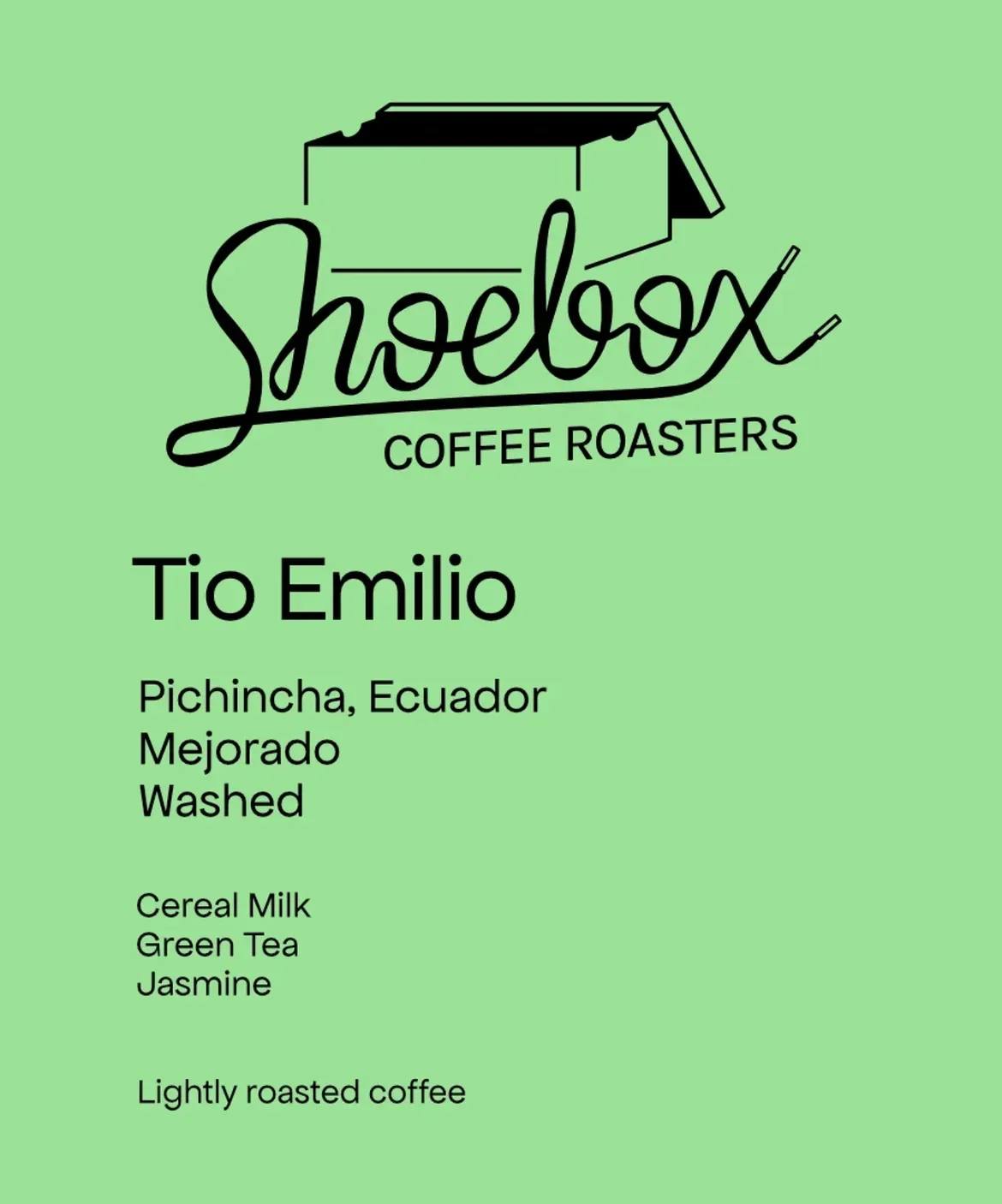
The information you sometimes see printed on a coffee bag — the specific lot, the farm, the altitude, the processing method, the variety — it's not random marketing dressing. It's a kind of code. A language. It tells you, roughly, how that coffee is going to "sound." Altitude isn't everything, but it gives you a rough sense of density and sweetness in the bean — generally speaking, higher means colder, which means the plant takes longer to ripen its cherries, which stretches out the maturation time. In simple terms: it's a shorthand. A rough sketch of what's in front of you, how to brew it, and what it pairs with — all in a couple of words.
The market doesn't really inflate these specific descriptors, as far as I can tell — that part is just baseline information. The three that matter most are: terroir (country, region), processing method, and variety. It's structurally the same system as wine and its grape varieties — some carry more sugar, more sweetness, some carry more acidity. It varies cultivar to cultivar.
Coffee is, fundamentally, a tropical berry that grows in tropical and subtropical climates, sometimes up to 2,500 meters above sea level. The descriptors you read come straight out of the conditions that berry grew in — the soil, the water, the air, the altitude, the temperature, all shaping the harvest as it develops. Then comes the processing of the cherries themselves, the resting of the green parchment, the hulling, the roast. And after all that — the brewing conditions, the method. Every single one of those steps leaves a mark on what ends up in the cup.
Most of those descriptors get attached after careful, deliberate work by Q-graders — people who evaluate and score a given lot. These aren't random people off the street. They're certified, qualified professionals who go through constant recalibration. Scoring a single lot properly requires a minimum of three Q-graders working independently.
I think a lot of people, at some point, look at all this and quietly suspect it's made up. That the descriptors are invented, that the whole sensory vocabulary is some kind of performance. But that perceptiveness, that level of sensitivity, that ability to actually describe what's in the cup — it comes from sustained work. From experience. From calibration. It isn't about pretending to notice something. It's about knowing plus feeling plus sensing plus being able to put it into words.
The Cup That Changed Everything
I want to tell you about the moment that did it for me, properly.
It was my last day working my very first job in specialty coffee. Before I left for good, I decided to pull myself one final espresso — just for the pleasure of it, nothing careful or deliberate about how I made it. I pulled the shot, brought it up to smell it, and didn't believe my own nose. It smelled, unmistakably, completely clearly, like green apple. Not "kind of like." Like I could see it in front of me — like a whole palette of color had unfolded in front of my eyes in an instant, opening into hundreds of shades all at once.
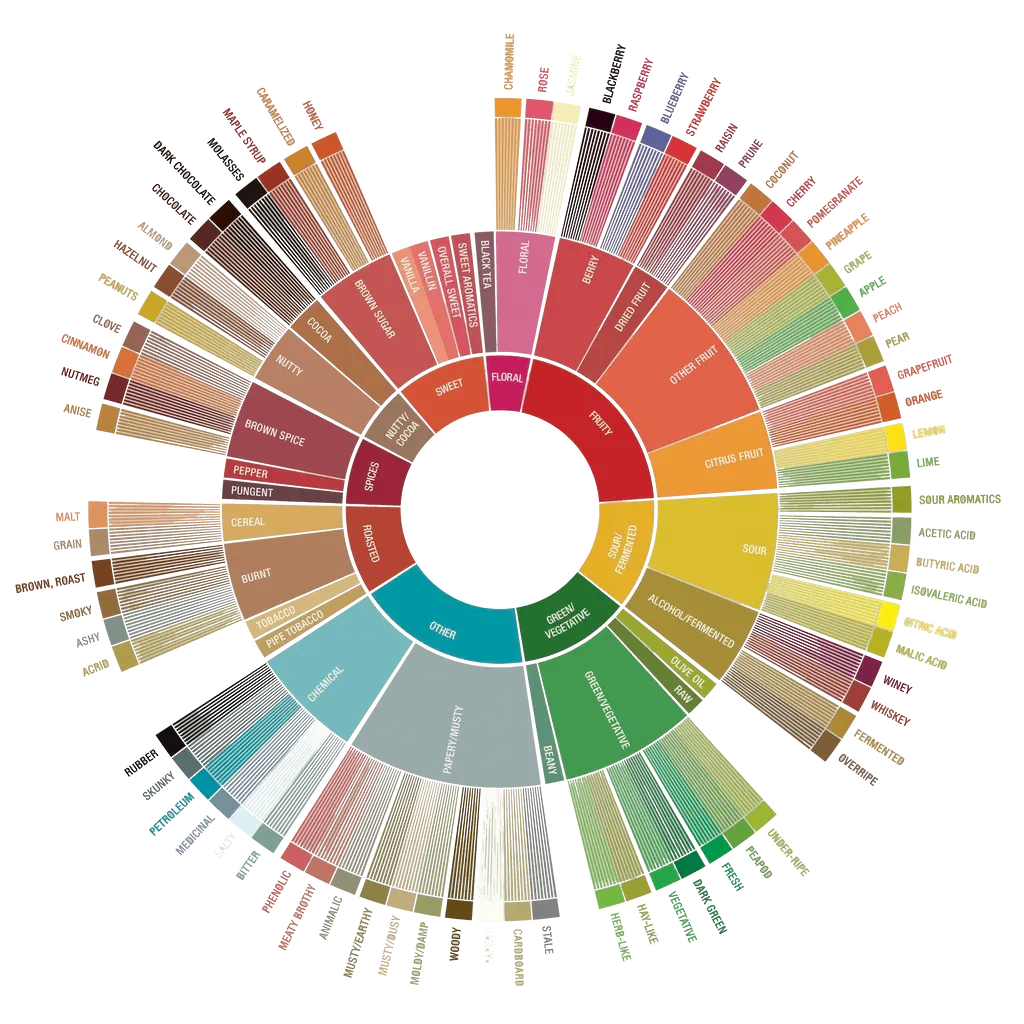
And then I tasted it, and it was even more incredible — because it tasted exactly the way it smelled. Juicy, sweet, balanced green apple flavor, just completely enveloping me. I haven't forgotten it. I genuinely hope every person, even someone who has nothing to do with coffee, gets to feel that at least once in their life. Something is thrilling about the gap between what you expect and what actually happens — especially when you're braced for an ordinary cup of ordinary coffee, and instead you get that.
The People Behind the Cup
None of this — none of it — would exist without thousands of people who genuinely care about what they do. And I don't just mean baristas. Producers, sourcers, graders, roasters, and a long list of others scattered across every part of the journey from branch to cup.
The most consistently undervalued people in this entire chain, now and historically, are the farmers and producers in the countries where coffee actually grows — often not wealthy people, sometimes genuinely struggling, people who for most of this industry's history were routinely underpaid, bought from in bulk with zero regard for their living or working conditions. One of the real missions of specialty coffee is fair and direct trade — making sure the people who actually grew the coffee get paid enough not just to live, but to invest in and improve their own conditions, which in turn raises the quality of what they're able to produce.
A good example: Pepe and his son José Jijón, young producers in Ecuador running Fincas del Putushio, in Loja. It's proof that even people my own age can bring something genuinely new and exciting into this industry. José is a kind of role model for a lot of young people across Central America, where growing coffee has historically been tied to dangerous, grinding labor — and, looking back further, to cartels who killed and bombed farmers, pressuring them into growing coca instead of coffee. José Jijón, barely twenty, is already something of a star in the specialty world. The work he and his father do together is, in a real sense, the result of a new way of looking at coffee — and at what it can offer. Ecuador, over the past couple of years, has built a reputation as one of the most exciting places in the world for exceptional, high-scoring coffees — and people like Pepe and José are a big part of why.
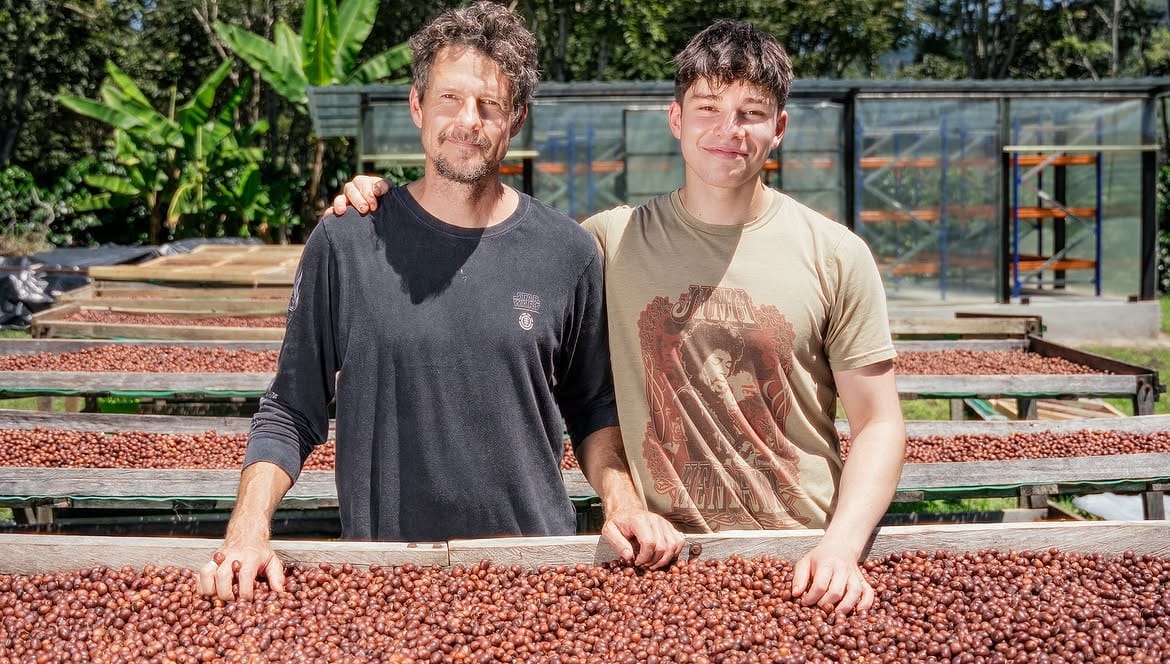
Most guests never see any of this. They never see the work of the roasters, the sourcers, the graders, the producers — the people without whom the coffee in their cup wouldn't taste anywhere near as good. All of them directly shape what eventually gets served and sold in a café.
Traceability Is Trust.
Knowing — actually knowing, in detail — where a coffee comes from gives you a much clearer picture of why it's priced the way it is. It means the bean has value not because some seller decided to mark up something cheap and sell it as exotic, and it means a low-quality commodity bean simply can't get away with being sold at specialty prices. What determines that isn't packaging or marketing — it's the specific lot itself, and the enormous amount of work that went into it before it ever reached a shelf in some carefully designed café. That requires trust. And trust gets built through transparency — through the whole journey of the bean, from farm to final cup, being visible. That's exactly why some coffee gets sold — and bought — for 20 to 40 euros per hundred grams. The buyer knows and trusts the roaster, who's positioned themselves not just as honest, but who actually provides detailed information about that specific lot, often printed right on the bag. Which is why both numbers matter: the price of the roasted beans, and the price the green bean was originally bought for from the farmer in the country of origin.
The Third Place
This is a whole movement. A culture, sustained and pushed forward by a large number of people who genuinely love what they're doing.
Specialty cafés tend to carry a less commercial, slightly more "hipster" atmosphere — a sense of freedom and coziness. Plenty of minimalist spaces exist where all the attention goes to the bar and the machine, but the places that tend to win people's actual love and attention are the ones with their own spirit, their own atmosphere — which can look like almost anything, depending on the owner and the people working there. Don't expect a huge range of food, unfortunately. The snack selection is often limited to croissants, a couple of pastries, maybe a signature treat or two. But almost without exception, whatever's in that display case was made carefully, with love — it might be a small cookie or a little cake, but it'll usually carry a flavor that's either refined and interesting, or simple, clear, and genuinely well done.
Staff numbers have shrunk over the years — labor costs more, everything costs more — so it's increasingly common to find just one barista running the whole bar: making the coffee, working the register, plating the pastries, doing literally everything. Not always, though. There are still places with three or four people on shift, depending on the day, the volume, the location. But across the last decade, in a lot of places, the actual quality of the coffee — how it's made, how it's served, how varied it is — has gone up significantly.
People are drawn to cafés because they function as a third place — not work, not university, not home. Somewhere to meet a friend, take a small business meeting, sit with a laptop, or just read. Everyone finds their own use for it, but what people are really searching for is the atmosphere and the experience — good service, a coffee that genuinely lifts your mood, a small window of time to set the rush aside and just be present for a few minutes.
A Good Place to Start
If you're starting and want to know where to begin — start with something simple and good. A well-made cappuccino, on good beans, can absolutely lift your mood: sweet, with nice milk foam, a coffee flavor that's present but gentle. Pair it with a croissant or a cinnamon bun. Classic, simple, good. If you're avoiding milk, a well-brewed filter coffee can be just as interesting — but the place matters there. Check the reviews, or ask someone you trust who actually knows what they're doing.
Specialty coffee is fascinating, interesting, and — more than people think — accessible. It's almost everywhere now, and almost everywhere, a person can touch this culture in some small way. Good coffee lifts your mood. That part, honestly, is simple.